|
Email / Google Scholar / LinkedIn / GitHub / CV |
|
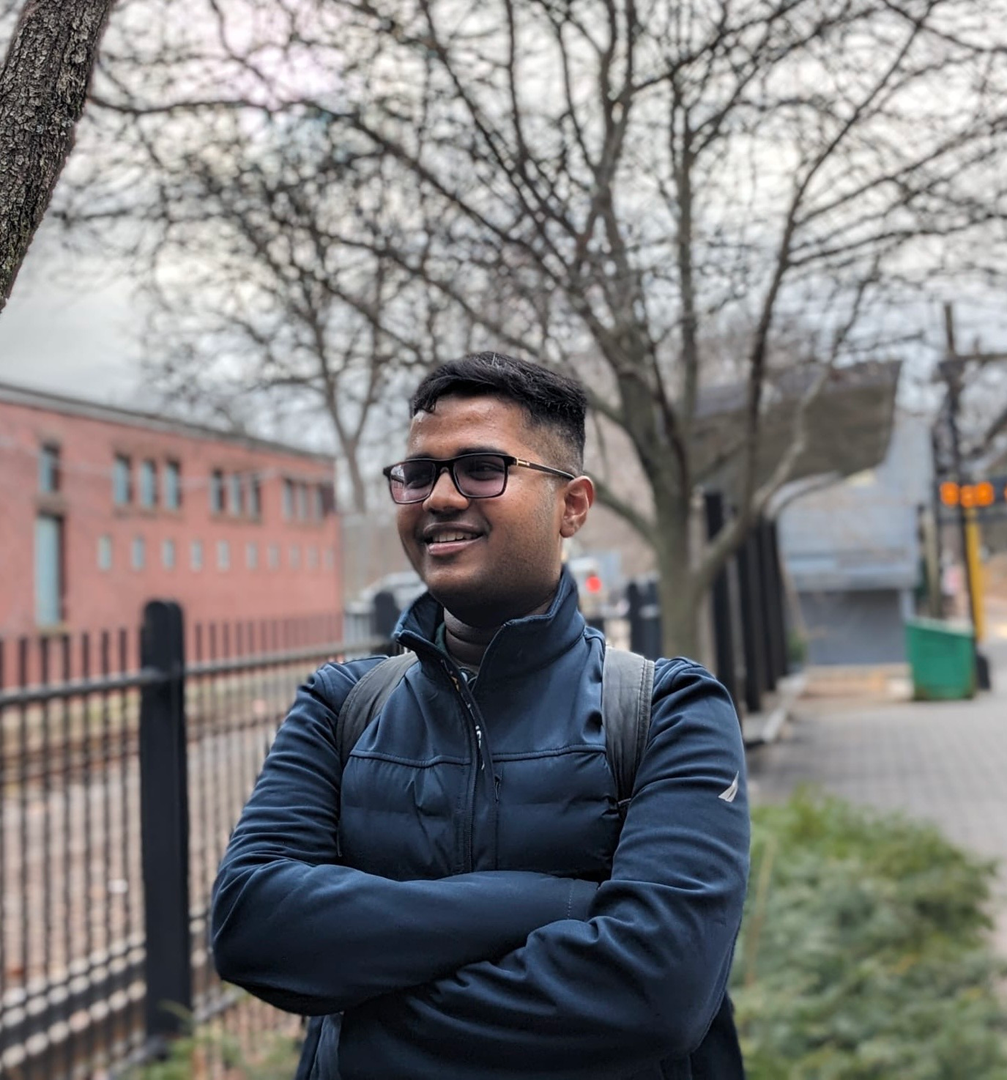
I am a robotics engineer and a graduate of Northeastern University, where I completed my master’s degree in Robotics. I currently work as an AI/ML Engineer at IpserLab. My work lies at the intersection of perception, planning and learning for robots using classical and novel algorithms, optimization techniques, Machine Learning and Reinforcement Learning. I aim to apply AI and build systems such as autonomous vehicles and drones, mobile and service robots, and swarm and multi-robot systems that help solve real-world problems and contribute to the UN Sustainable Development Goals, in areas including Space Exploration, Defense, Agriculture, Disaster Management, Climate Action and Governance. My research has been published in the Journal of Robotics and Mechatronics and at international conferences, including one published by Springer, on multi-drone coordination for search and rescue, and on error compensation in delta robots. Previously, I earned a bachelor’s degree in Mechatronics Engineering from Manipal Institute of Technology. I have worked across robotics, automation and applied AI. At Black-i Robotics, I worked on a vision-guided robotic palletizing system. At Breaking Inc., I developed hardware for scaling up a bioreactor platform for microbial growth. At Sultan Qaboos University, I worked on an autonomous vessel for detecting and sampling oil spills, and at Samsung, I helped automate a product inspection line. I have lived in Saudi Arabia, India, Oman and USA. In my free time, I enjoy swimming, playing football, reading books and watching movies. |
|
|
|
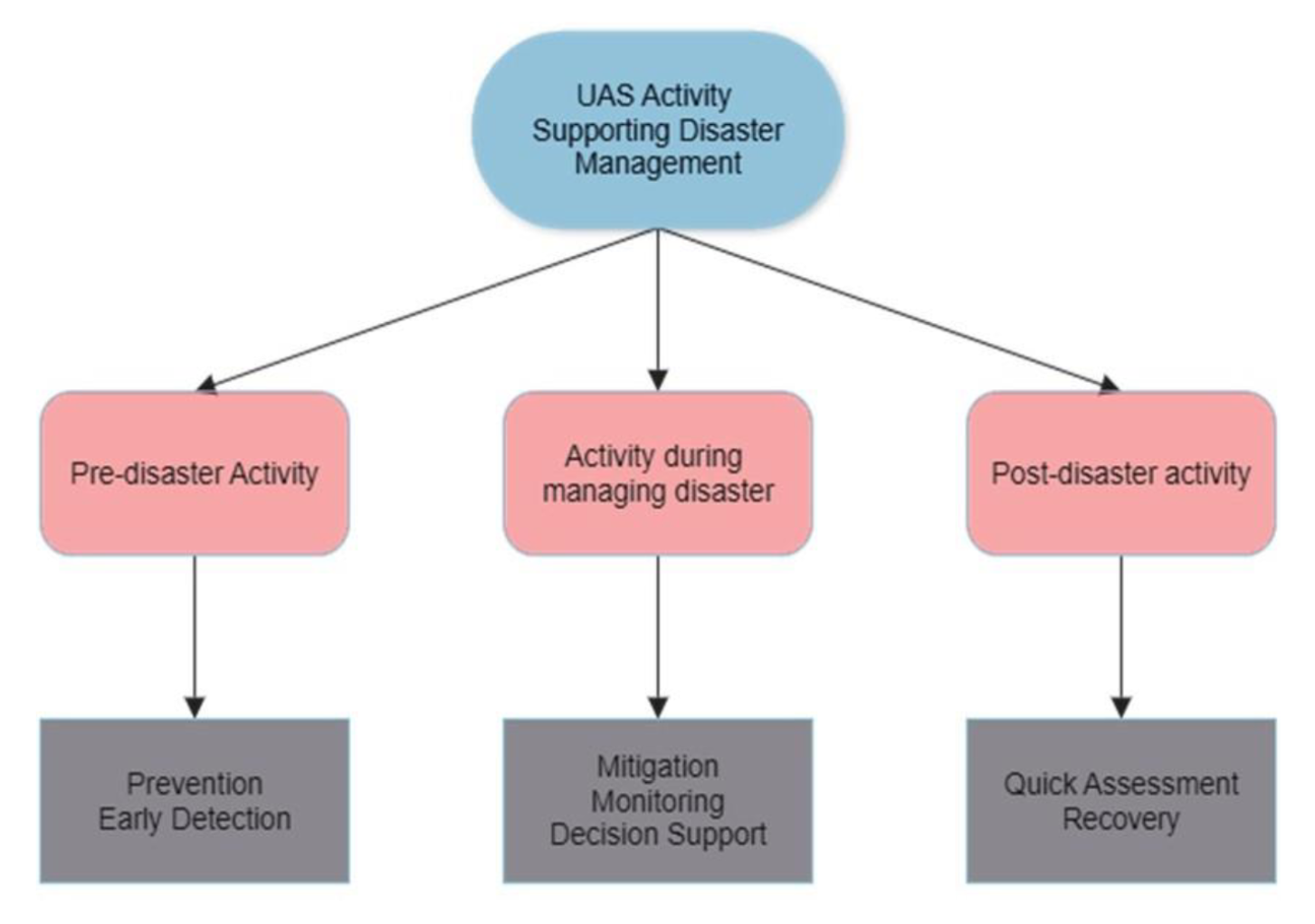
Vishnu G. Nair, Jeane Marena D'Souza, Rayyan Muhammad Rafikh Journal of Robotics and Control, 2024 Paper We explore the transformative role of drones in disaster management, focusing on their use in response and recovery operations for both natural and man-made incidents; and investigate advancements in AI and sensor technology, while addressing key challenges like privacy concerns, regulatory barriers, and ethical dilemmas. |
|
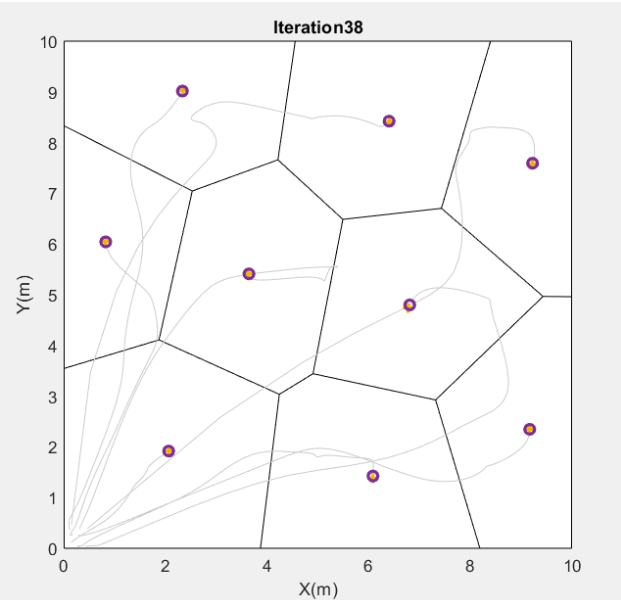
Vishnu G. Nair, Jeane Marena D'Souza, Rayyan Muhammad Rafikh Journal of Robotics and Mechatronics, 2023 Paper This work focuses on developing a method for simulating life detection during sudden disasters using deep learning models. It also involves coordinating multiple UAVs through region-partitioning techniques to accelerate search and rescue operations, tested in a simulated platform resembling real-life disaster environments. |
|
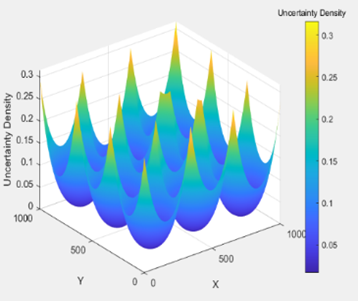
Rayyan Muhammad Rafikh, Jeane Marena D'Souza International Conference on Robotics, Control, Automation and Artificial Intelligence, 2022 Paper This proposes a simulation method for detecting life in sudden disasters using deep learning models, particularly Convolutional Neural Networks. It also involves multi-quadrotor coordination through region-partitioning techniques to enhance the efficiency of search and rescue operations. Additionally, the paper explores other non-conventional methods to further improve disaster response. |
|
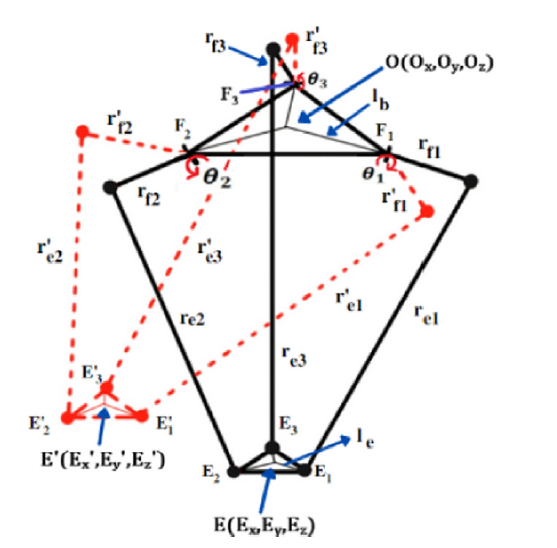
Darren Alton Dsouza, Rayyan Muhammad Rafikh, Ankur Jaiswal International Conference on Recent Advances in Modelling and Simulations Techniques in Engineering and Science, 2022 Paper My work investigates position error in a 3-DOF delta robot due to link tolerance. It includes a mathematical formulation of the problem, followed by a comparative analysis of the forward and inverse kinematics to assess the impact on robot performance. |
|
|
|
Teaching Fellow,
6.1210 Introduction
to Algorithms (formerly 6.006), Spring 2024
Mentor, Graduate Application Assistance Program, 2021-Present |
|
Last updated: Nov 2026 |